|
|
|
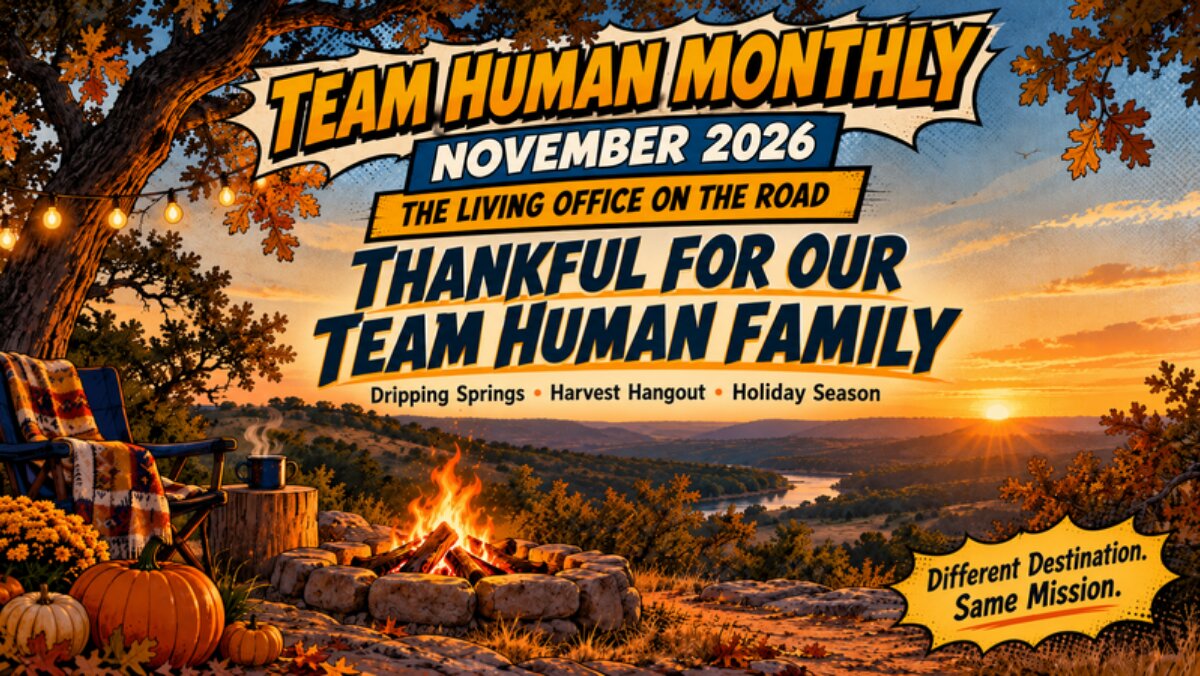
TEAM HUMAN MONTHLY • VOLUME 1 • ISSUE 6 • NOVEMBER 2026
|
TRUST IS THE NEW INFRASTRUCTURE
|
Real people. Real connections. Building a better future with AI.
|
|
|
|
|
|
|
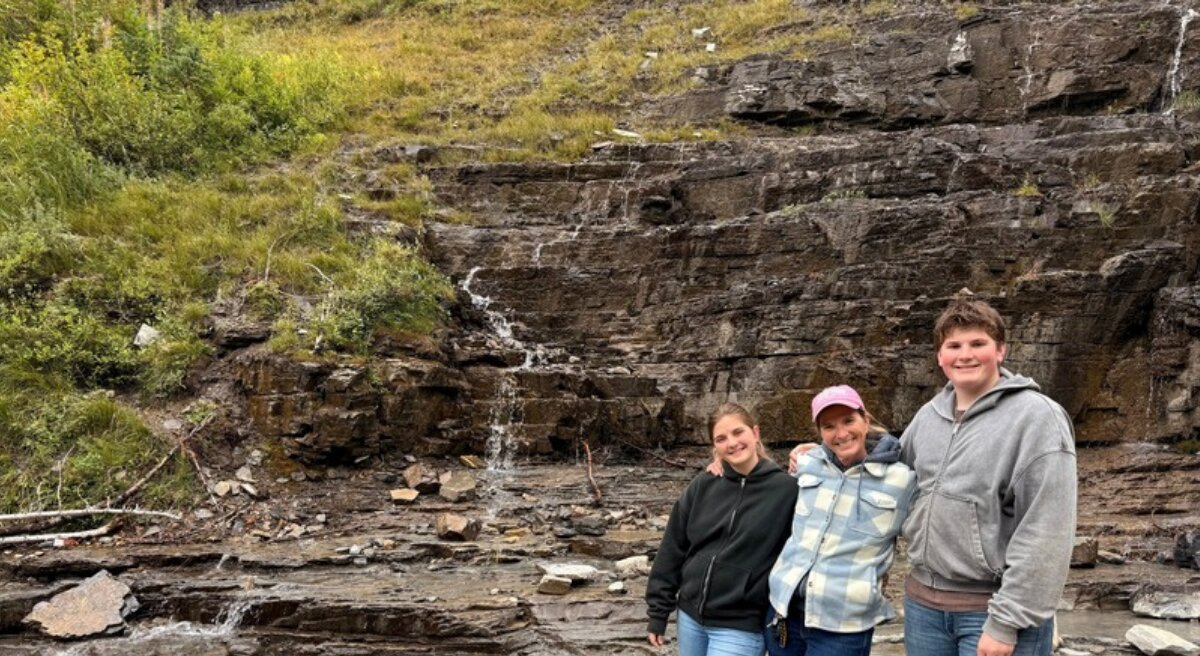
- FROM THE CAMPFIRE WITH KALYN -
|
|
| |
The One Thing AI Can’t Take Responsibility For
|
There’s something I’ve been thinking about a lot lately.
|
We’re living in an extraordinary time. Technology is advancing at a pace that would have been difficult to imagine even a few years ago. We can accomplish in minutes what once required days, and we’re only beginning to understand what may become possible.
|
But as AI becomes more capable, I’ve noticed something interesting.
|
The more we can delegate to technology, the more important it becomes to decide what we shouldn’t delegate.
|
At Super-Intelligent AI-SEO, we’re constantly experimenting with new ways to help intelligent systems understand businesses, organize information, and accomplish meaningful work. And sometimes those systems produce something remarkable. Other times, they produce something that looks remarkable until a human takes a closer look.
|
We’ve seen AI-generated recommendations that sound completely reasonable, but include information that hasn’t been verified. We’ve seen impressive analyses that miss important context. And we’ve seen how easy it would be to mistake a confident answer for a correct one.
|
That’s where people matter. Someone has to ask whether the information is true. Someone has to consider how a decision affects another human being. And someone has to be willing to say, “We’re not going to do it that way,” even when the technology makes it easy.
|
Intelligence and wisdom are not the same thing.
|
I don’t believe the future belongs to people who refuse to embrace technology. But I don’t believe it belongs to people who surrender their judgment to it, either. I believe the most promising future is one where intelligent technology expands what human beings can accomplish while preserving the things that make our lives meaningful: relationships, responsibility, creativity, compassion, and the ability to choose what is right.
|
That’s the future I want to help build. And that’s why we’re Team Human.
|
Pull up a chair. We’ve got plenty to talk about this month.
|
— Kalyn
|
|
|
|
|
|
- THIS MONTH AT TEAM HUMAN -
|
Building a Business Without Putting Life on Hold
|
|
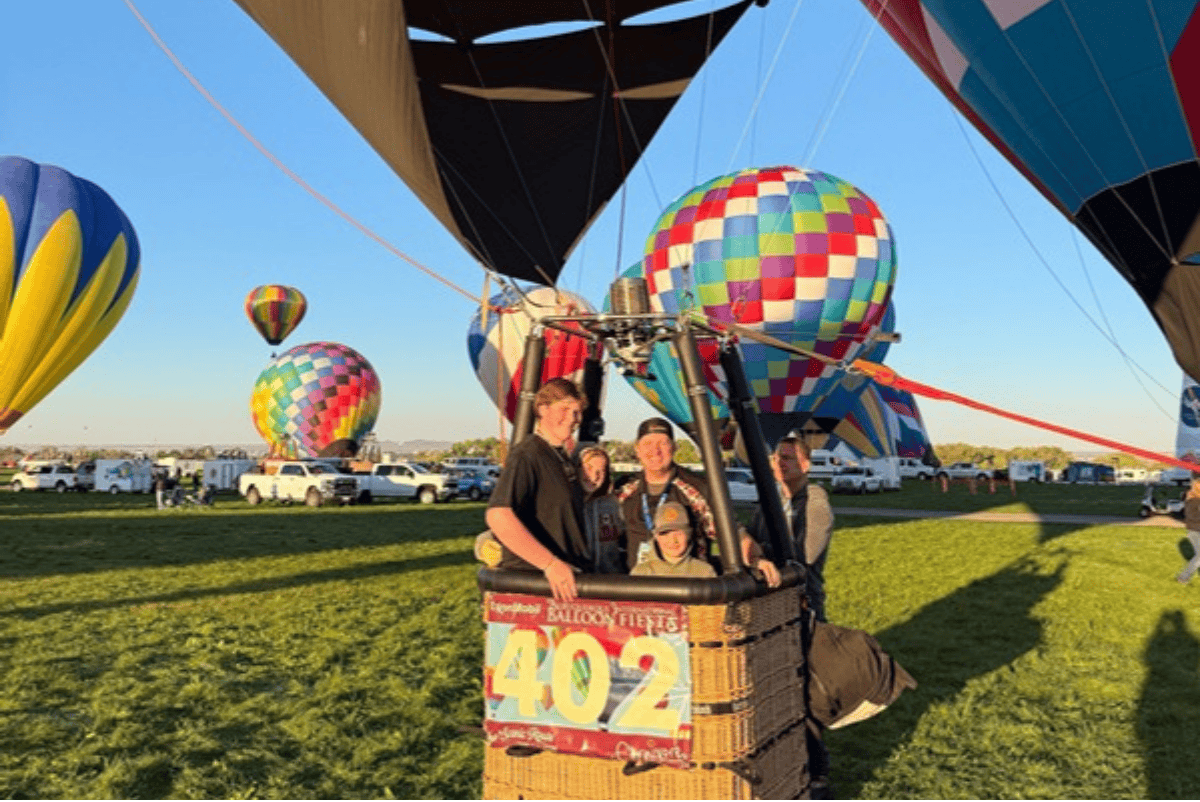
Our last stop: the Albuquerque International Balloon Fiesta.
|
THE LIVING OFFICE
|
One of the things six years of full-time travel has taught me is that life rarely waits for the perfect moment. There are always places to go, people to see, responsibilities to handle, and unexpected challenges to solve.
|
Running a technology company while living and traveling in RVs certainly creates its own interesting combination of opportunities and complications. Our office can change locations from one week to the next. Sometimes the scenery is spectacular. Other times, the most exciting thing happening is figuring out why a piece of equipment isn’t cooperating. But I wouldn’t trade the lessons we’ve learned.
|
This lifestyle has continually reminded me that technology is supposed to serve the life we’re building, not become the reason we stop living it. AI gives us opportunities to work more efficiently, communicate across distances, and build systems that would once have required much larger teams.
|
But the real benefit isn’t just producing more. It’s having the freedom to invest more of our time and attention in the people and experiences that matter.
|
As we approach Thanksgiving here in the United States, that’s something I’m especially grateful for. Not simply the technology that makes our work possible, but the opportunity to use it in ways that support a meaningful life.
|
Wherever you’re reading this—from your office, your home, an RV, or somewhere entirely different—I hope you’re finding ways to make technology work for the life you want to build.
|
|
|
|
|
|
|
The Wins That Don’t Always Show Up on a Dashboard
|
HUMAN MOMENTS & MEANINGFUL PROGRESS
|
In a technology business, it’s easy to measure progress by what gets completed.
|
How many tasks did we finish? How many processes did we automate? How quickly did we produce something?
|
Those measurements have their place. But some of the most important accomplishments aren’t captured by a productivity report. This month, I’ve been especially encouraged by three things happening behind the scenes.
|
People asking better questions.
|
Our team is learning that the quality of an AI-generated answer matters far more than how impressive it sounds. That means checking information, questioning assumptions, and making sure recommendations fit the real-world situation.
|
People taking ownership.
|
As our systems become more capable and our operations evolve, individual team members are taking greater responsibility for reviewing work, recognizing potential problems, and improving processes.
|
People building with the future in mind.
|
We’re not just trying to solve today’s technical challenges. We’re exploring how businesses can maintain accurate, consistent information as search engines and AI applications continue changing.
|
These aren’t the kinds of accomplishments that usually make headlines. But they’re exactly the kind that make an organization stronger.
|
And they’re worth celebrating.
|
|
|
|
|
|
|
What Does It Mean to Make a Business Understandable to AI?
|
TEAM HUMAN NEWS
|
For years, businesses have worked to make their websites understandable to search engines.
|
We organized pages, improved navigation, added structured data, and made it easier for Google and other systems to discover relevant information.
|
Now we’re entering another stage of that evolution. AI applications can gather information from multiple sources, interpret it, summarize it, and sometimes use it to recommend businesses, services, or solutions.
|
That raises an important question: How does a business make sure these systems have access to information that is accurate, consistent, and genuinely representative of who they are?
|
One area our technical team has been exploring involves structured, machine-readable business knowledge. Instead of treating a website as a disconnected collection of pages, we’re looking at ways to organize business information so that relationships between a company’s identity, services, locations, and supporting evidence are easier to interpret.
|
Think of the difference between handing someone a large stack of paperwork and giving them an organized reference library. Both contain information. But one makes it considerably easier to find, understand, and verify. Of course, publishing structured information doesn’t guarantee that AI systems will use it, cite it, or recommend a particular business. And technical formatting alone doesn’t make information true.
|
That’s why our approach increasingly emphasizes the relationship between three things:
|
Accuracy: Is the information actually correct?
|
Consistency: Does the business tell the same truthful story across its digital presence?
|
Verifiability: Can important claims be traced to supporting evidence?
|
We believe these principles will remain valuable regardless of which AI platforms ultimately become the most influential.
|
Technology will keep changing. The need for trustworthy information won’t.
|
|
|
|
|
|
MEET THE TEAM
|
The Humans Behind the Intelligence
|
|
Technology may help us accomplish extraordinary things, but there’s still a team of real people making decisions, solving problems, and taking responsibility for the work.
|
This month, we’re recognizing two people whose contributions illustrate different sides of that mission.
|
|
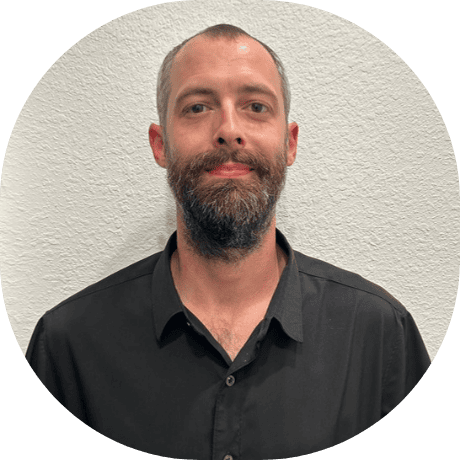
Jordan Coyle | Operations & Systems Lead
|
Jordan has been helping strengthen the connection between our technology, our operational processes, and the real-world businesses we serve.
|
One of her most valuable contributions has been bringing a critical eye to AI-assisted recommendations. It’s tempting to assume that if an intelligent system can generate a convincing analysis, it must understand the situation. But real judgment requires more.
|
Jordan has been identifying where recommendations need additional verification, where information lacks important context, and where suggested actions don’t align with our standards.
|
That work helps ensure our technology supports responsible decisions rather than simply creating more tasks. It’s a great reminder that sometimes the most valuable thing a person contributes isn’t another answer. It’s a better question.
|
Thank you, Jordan, for helping us build with care and accountability.
|
|
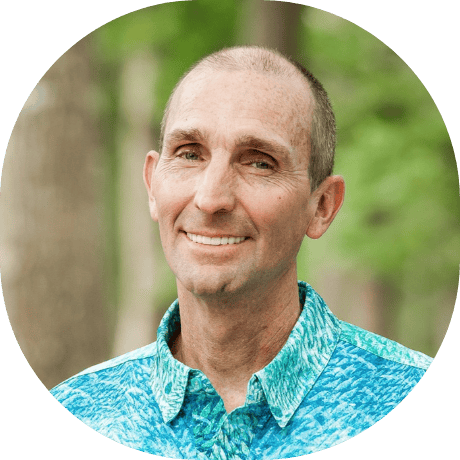
Dekker Osborn | Technical Development & Implementation
|
Dekker has been working on some fascinating technical projects that reflect where we believe digital information is heading.
|
His recent work has included website infrastructure improvements, structured business information, technical validation, and systems designed to make published information easier to maintain and interpret.
|
One thing I appreciate about this kind of work is that much of its value is invisible to the average visitor. People may notice a beautiful website or a helpful page, but they rarely see the organization, testing, documentation, and problem-solving behind it.
|
Those foundations matter. Especially as more automated systems interact with business information, the quality of the underlying infrastructure becomes increasingly important.
|
Thank you, Dekker, for the creativity and attention to detail you bring to the team.
|
|
|
|
|
|
What We’re Building: Keeping the Human in the Loop
|
|
There’s a phrase you hear frequently in conversations about responsible AI: human in the loop. Sometimes it sounds like a temporary safety measure. Something we do until the technology gets better.
|
I see it differently. I believe human involvement should be an intentional part of how we design intelligent systems, not simply a backup plan for when something goes wrong.
|
At Super-Intelligent AI-SEO, we’re exploring technologies such as Surge V3 and our Entity Veracity Hub to help organize knowledge, identify opportunities, and support more intelligent decision-making.
|
But an important part of that exploration is figuring out where human judgment belongs.
|
When should an automated recommendation be reviewed? What kinds of claims require direct confirmation? How should a system handle conflicting information? Who decides whether a proposed action is appropriate? And perhaps most importantly, who remains responsible for the outcome?
|
These questions influence not only how useful AI becomes, but how much people can reasonably trust it.
|
The goal isn’t to automate responsibility away. It’s to give responsible people more powerful tools.
|
That’s a distinction we believe is worth protecting.
|
|
|
|
|
|
LOCAL AGENCY ELITE & MOVE 37
|
|
From Better Tools to Better Judgment
|
Our agency training conversations continue to evolve alongside the technology we’re using.
|
And one lesson keeps showing up: knowing how to operate an AI tool is not the same as knowing how to evaluate its work.
|
In November, we’re encouraging our agency community to think more critically about three areas.
|
1. Verification before implementation
|
Before adopting an AI-generated recommendation, identify the facts it depends on. Confirm that those facts are accurate and that the recommendation makes sense for the specific business.
|
2. Building a coherent business identity
|
Look beyond individual keywords and pages. Consider whether a company’s services, locations, organizational information, and supporting evidence tell a consistent story across the digital ecosystem.
|
3. Measuring what matters
|
A completed task isn’t necessarily a successful outcome. We need to understand what changed, why it may have changed, and whether the change actually benefits the business.
|
These are skills that will become increasingly valuable as agencies adopt more powerful automated systems.
|
The tools will continue improving. Our ability to exercise good judgment must improve with them.
|
Keep an eye on the community for the upcoming training discussions.
|
|
|
|
|
|
AROUND THE CAMPFIRE
|
What Makes Something Worth Trusting?
|
I’d love to hear your perspective on something this month.
|
We’re reaching a point where AI can produce convincing articles, images, voices, videos, business recommendations, and explanations.
|
Sometimes those outputs are excellent. Sometimes they’re misleading. And sometimes it’s difficult to tell the difference. So here’s our question for November:
|
When information looks and sounds completely believable, what makes you decide whether to trust it? Is it the source? The evidence? Your own experience? The reputation of the person sharing it? Or something else entirely?
|
There isn’t a simple answer, and that’s exactly why I think it’s worth discussing.
|
Hit reply and share your thoughts.
|
These are the kinds of conversations I hope Team Human will continue having as the technology develops.
|
|
|
|
|
|
A THOUGHT FOR NOVEMBER
|
Gratitude, Responsibility, and the Future
|
As we approach the end of 2026, I’m reminded that having more capability doesn’t automatically mean having more wisdom.
|
We can build faster.
|
We can communicate farther. We can generate more information than ever before. But we still have to decide what deserves our attention, what serves others, and what kind of future we’re trying to create. That’s where our humanity matters.
|
This Thanksgiving season, I’m grateful for the people who challenge us, encourage us, work alongside us, and remind us why the work matters. And I’m grateful for a community that believes technology should serve people, not the other way around.
|
The future may be increasingly intelligent. Let’s make sure it’s increasingly human, too.
|
“The more intelligent our tools become, the more intentional we must be about the wisdom guiding them.”
|
— Team Human
|
Thank you for being part of this journey. Keep learning. Keep questioning. Keep building. And above all, keep being human.
|
|
Kalyn & Russell Wright
|
|
|
|
|
UPCOMING LIVE TRAINING
|
Two Upcoming Calls. Two Practical Ways to Strengthen Visibility.
|
|
|
|
|
Move 37 Mastermind
|
Thursday, NOVEMBER 12th • 11:30AM PST
|
What's new in AI and search, plus your questions live.
|
Russell Wright & Daryl Osborne
|
|
|
|
|
Local Agency Elite Training
|
Thursday, NOVEMBER 19th • 11:30AM PST
|
Lessons from the expo and landing new clients.
|
Russell Wright & Kalyn Wright
|
|
|
|
|
We only hold two primary training calls each month. Mark them on your calendar and make live attendance the plan. Tools, assets, demonstrations, conversations, and other benefits may happen in the room that cannot be recreated by pressing play later.
|
|
|
|
|
BLACK FRIDAY SPECIAL
|
Been Putting Off Joining the Member’s Area? Now’s the Time.
|
If you’ve been putting off joining the member’s area, now is the time.
|
We’re offering special Black Friday pricing for new members.
|
Use code: BLACKFRIDAY2026
|
Special price: $199
|
Join us for deeper training, stronger community, and closer access to Team Human.
|
|
|
|
|
- THREE WAYS INTO TEAM HUMAN -
|
| |
|
Member training, LAET, Move 37 and the community.
|
| |
|
Direct client services for businesses that want the work implemented.
|
| |
|
A path for agencies and practitioners with clients who need help.
|
| |
Keep the human in the loop. Keep the work grounded in what is actually happening.
|
|
|
|
|
|
A collaborative community publication from Super-Intelligent AI-SEO and Valleytec Digital Solutions, documenting the people, ideas, tools, experiments, wins, lessons, and relationships shaping AI-powered search.
|
Team Human • People first. Evidence before certainty. Technology that amplifies people.
|
|
|
|
|
|
|
| |
|
|